How Meal Prep Improves Energy and Focus
Eating consistently balanced meals does more than just prevent hunger. Research shows that structured eating habits can help support energy levels, concentration, and overall productivity. For students and busy professionals, nutrition often becomes reactive instead of intentional, which can lead to fatigue, poor focus, and inconsistent performance.
One of the biggest benefits of meal prep is maintaining stable blood sugar levels. When meals include a balance of protein, fiber, and complex carbohydrates, the body absorbs energy more gradually. According to the Harvard T.H. Chan School of Public Health, balanced meals that include whole grains, lean proteins, and vegetables help prevent energy crashes caused by rapid spikes and drops in blood sugar.
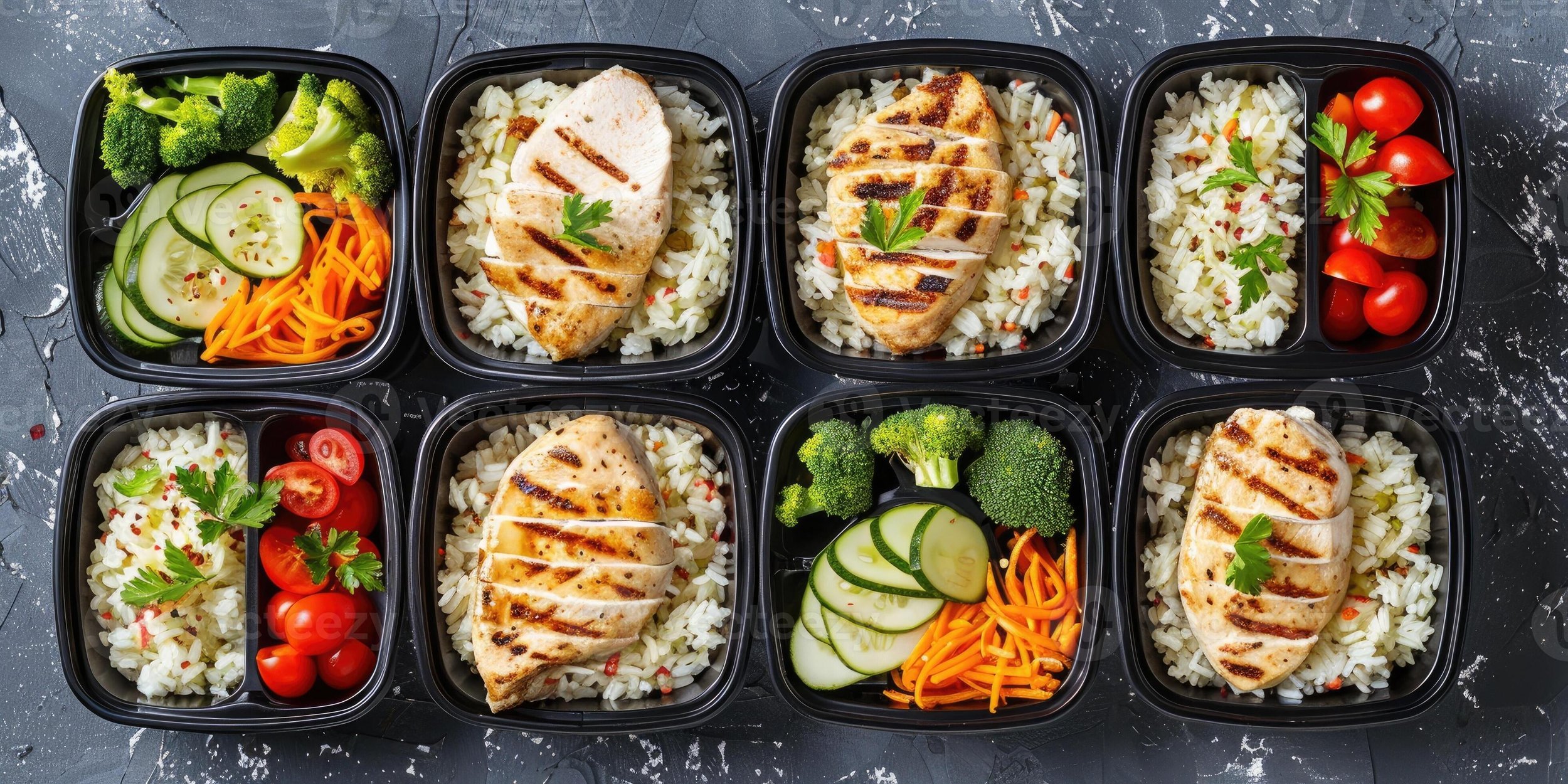
Whole grains like brown rice, oats, and quinoa are strong examples of energy-supporting foods. These foods contain complex carbohydrates that digest slowly and provide steady fuel for the brain and muscles. This is especially important for students managing long days of classes or professionals working extended hours.
balanced meal prep containers with quinoa chicken and vegetables
Protein is another critical component of effective meal prep. Foods like chicken, eggs, tofu, and Greek yogurt contain amino acids that support muscle repair and help keep you full longer. Higher protein intake has also been associated with improved satiety, which may help reduce unnecessary snacking and support consistent eating habits.
Vegetables also play an important role because they contain micronutrients that support cognitive function. Leafy greens like kale and spinach contain folate and vitamin K, nutrients associated with brain health and mental performance. Including vegetables in prepped meals makes it easier to consistently consume these nutrients instead of skipping them during busy days.
Meal prep also supports consistency. Studies show that people who plan meals in advance tend to have better diet quality compared to those who make last-minute food decisions. Planning meals removes decision fatigue and makes healthy choices the default option rather than the difficult option.
When meal prep becomes part of your routine, food becomes less of a daily stressor and more of a performance tool. Instead of asking what should I eat today, the question becomes how can I fuel my week better.
Drewnowski A., Rehm C. “Meal Preparation and Diet Quality.” Public Health Nutrition, 2015.
Harvard T.H. Chan School of Public Health. The Nutrition Source – Healthy Eating Plate.
National Institutes of Health Office of Dietary Supplements. Protein and Health.