Meal Prep That Actually Stays Interesting
Meal prepping sounds great in theory. You save time, avoid last-minute takeout, and make healthier choices during busy weeks. But after a few days of eating the same thing, even the most motivated person can lose interest. If you’ve ever opened your fridge on Wednesday to the same chicken, rice, and broccoli container you packed on Sunday, you know exactly what this feels like.
The biggest mistake people make with meal prep is preparing five identical meals instead of flexible ingredients. Instead of cooking the same dish repeatedly, try preparing building blocks you can mix and match. For example, grilled chicken, roasted vegetables, quinoa, and greens can become a grain bowl one day, a wrap the next, and a salad later in the week. This strategy keeps meals interesting without requiring you to cook every day.
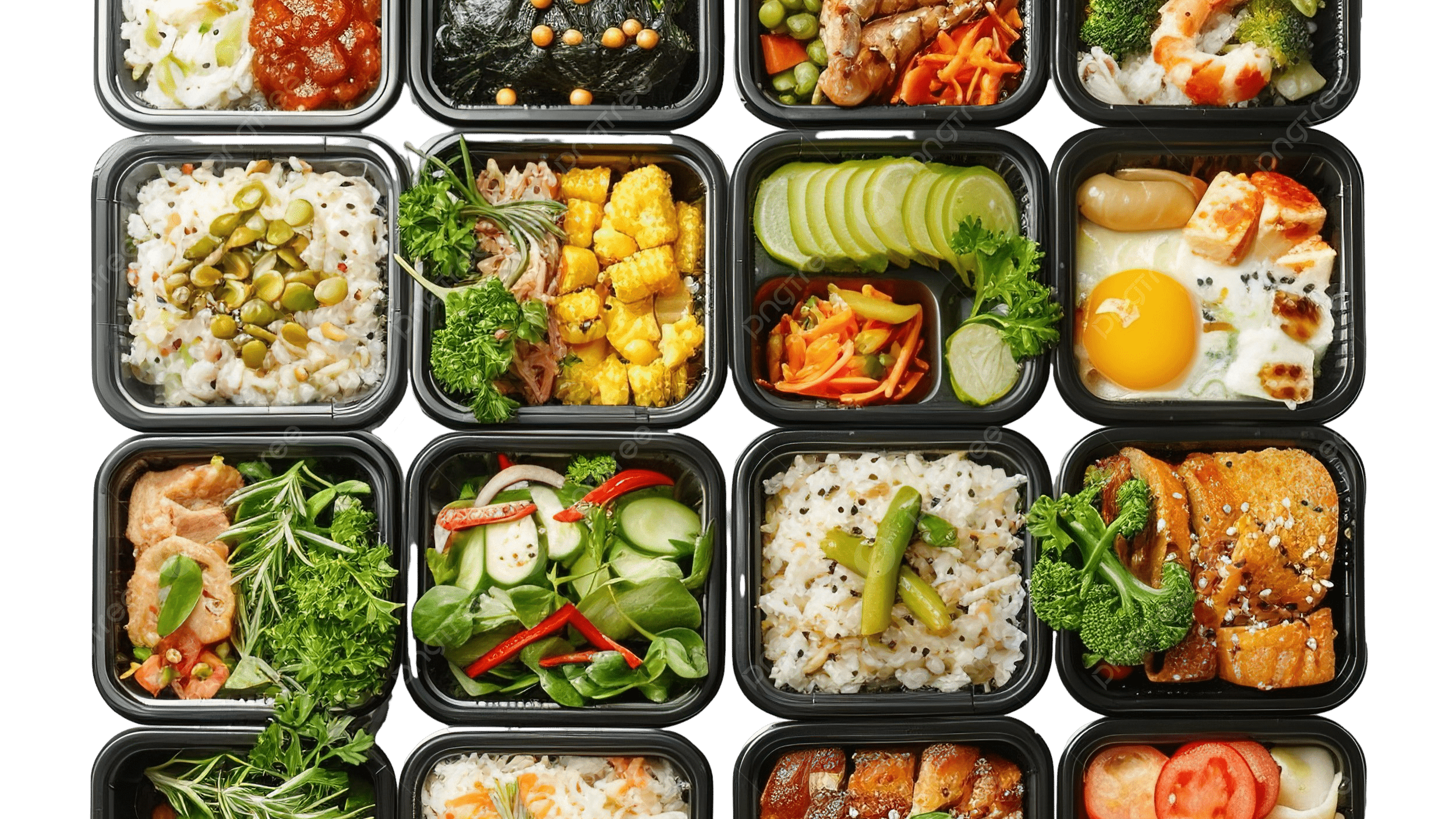
Another simple trick is rotating flavors. Sauces and seasonings can completely transform the same ingredients. A bowl with rice, chicken, and vegetables tastes completely different depending on whether you add pesto, teriyaki sauce, lemon vinaigrette, or a spicy yogurt dressing. Research on food satisfaction shows that people enjoy meals more when there is variety in flavor and texture, which can help maintain healthy eating habits long-term (Rolls, 2014).
Texture also plays a huge role in how satisfying a meal feels. Combining roasted vegetables, crunchy toppings like nuts or seeds, and creamy ingredients like avocado creates a much more interesting eating experience than a plate of uniformly cooked food. The more variety your meals have in flavor, texture, and presentation, the more likely you are to stick with meal prepping.
At the end of the day, meal prep should make healthy eating easier, not boring. If you think in terms of ingredients and combinations instead of identical meals, your weekly prep can stay interesting and sustainable.